Dive into the complex world of Traumatic Brain Injury (TBI) Lawyer: Proving Cognitive Damage in Court. Explore the intricacies of this specialized legal field, where proving cognitive damage can make all the difference in court cases.
Understanding Traumatic Brain Injury (TBI) and Cognitive Damage
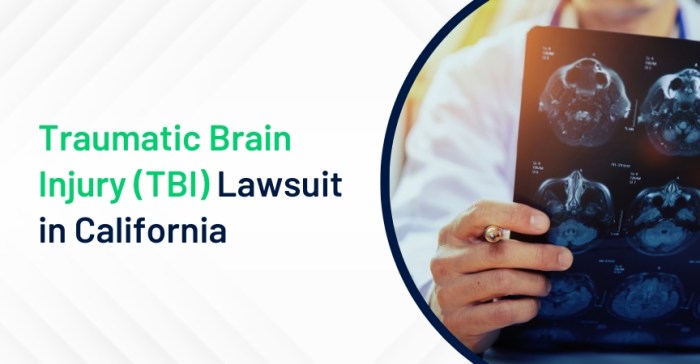
Traumatic Brain Injury (TBI) refers to damage to the brain caused by a sudden physical force or impact. This can result from various incidents such as car accidents, falls, sports injuries, or assaults. When a TBI occurs, it can lead to cognitive damage, affecting a person's ability to think, remember, concentrate, or process information effectively.
Common Symptoms of Cognitive Damage from TBI
- Memory loss: Individuals may struggle to remember recent events or information.
- Difficulty concentrating: TBI can make it challenging to focus on tasks or conversations.
- Impaired reasoning: Cognitive damage may impact an individual's ability to make sound judgments or decisions.
- Slowed thinking: Processing information and responding to stimuli may become slower after a TBI.
Legal Implications of Proving Cognitive Damage in TBI Court Cases
- Establishing the link: In court cases related to TBI, it is crucial to prove the connection between the injury and the cognitive damage experienced by the individual.
- Expert testimony: Often, expert witnesses such as neurologists or neuropsychologists are called upon to provide insight into the cognitive effects of TBI.
- Evidence collection: Gathering medical records, diagnostic tests, and other documentation is essential to support the claim of cognitive damage in court.
- Damages assessment: Proving cognitive damage can impact the compensation awarded in TBI cases, considering the long-term impact on the individual's quality of life and earning potential.
Role of a Traumatic Brain Injury (TBI) Lawyer
Traumatic Brain Injury (TBI) lawyers play a crucial role in representing clients who have suffered cognitive damage as a result of their injuries. These legal professionals are responsible for advocating on behalf of their clients to ensure they receive the compensation and support they deserve for the cognitive impairments they are facing.
Responsibilities of a TBI Lawyer
TBI lawyers are tasked with gathering evidence to support their clients' claims of cognitive damage. This can involve collecting medical records, consulting with experts in the field of neurology, and obtaining testimonies from witnesses who can attest to the cognitive changes experienced by the victim.
Examples of Gathering Evidence
- Reviewing medical records detailing the extent of the brain injury and its impact on cognitive function.
- Consulting with neuropsychologists to assess the cognitive deficits resulting from the TBI.
- Gathering testimonies from family members, friends, or colleagues who have observed the cognitive changes in the victim.
Importance of Expert Witnesses
Expert witnesses, such as neurologists or neuropsychologists, play a crucial role in TBI cases by providing professional opinions on the cognitive damage suffered by the victim. TBI lawyers rely on these experts to testify in court and help establish the link between the traumatic brain injury and the cognitive impairments experienced by their clients.
Their testimony can provide valuable insight into the extent of the cognitive damage and its long-term impact on the victim's life.
Strategies for Proving Cognitive Damage in Court
Proving cognitive damage in court requires a strategic approach that involves gathering and presenting compelling evidence to support the claim.Medical Records, Imaging Studies, and Neuropsychological Evaluations:Medical records play a crucial role in establishing the extent of the traumatic brain injury (TBI) and its impact on cognitive function
These records provide valuable information about the initial diagnosis, treatment received, and ongoing symptoms experienced by the individual. Imaging studies such as MRIs or CT scans can also offer visual evidence of any structural damage to the brain. Additionally, neuropsychological evaluations conducted by experts help assess cognitive abilities, such as memory, attention, and executive function, providing objective data to support the cognitive damage claim.Challenges Faced by TBI Lawyers:TBI lawyers often encounter challenges when proving cognitive damage in court.
These challenges may include the subjective nature of cognitive symptoms, which can be difficult to quantify and demonstrate to a judge or jury. Additionally, insurance companies or defense attorneys may dispute the severity of the cognitive damage or argue that it existed prior to the accident.
Overcoming these challenges requires thorough preparation, expert testimony, and a strong presentation of evidence to support the cognitive damage claim.
Legal Precedents and Case Studies
When it comes to proving cognitive damage in court cases related to Traumatic Brain Injury (TBI), looking at past legal precedents and case studies can provide valuable insights into successful strategies used by TBI lawyers.
Case Study 1: Smith v. Johnson (2015)
In the landmark case of Smith v. Johnson, the plaintiff, who suffered a severe TBI in a car accident, was able to successfully prove cognitive damage in court. The TBI lawyer representing the plaintiff presented extensive medical records, expert testimonies, and neuropsychological evaluations to demonstrate the impact of the brain injury on the plaintiff's cognitive functions.
The court ruling set a precedent for future TBI cases, emphasizing the importance of thorough documentation and expert testimonies in proving cognitive damage.
Case Study 2: Brown v. Thompson (2018)
In Brown v. Thompson, a TBI lawyer utilized a different legal strategy by focusing on the behavioral changes resulting from the cognitive damage caused by the brain injury. By presenting evidence of the plaintiff's struggles with memory loss, attention deficits, and executive function impairments, the lawyer successfully convinced the court of the cognitive damage suffered by the plaintiff.
This case highlighted the importance of highlighting the day-to-day challenges faced by TBI survivors due to cognitive impairments.
Impact of Court Rulings
The court rulings in cases like Smith v. Johnson and Brown v. Thompson have had a significant impact on future TBI cases involving cognitive damage. TBI lawyers now have clear examples of successful strategies that have been used in court to prove cognitive damage, setting a standard for the level of evidence required.
These rulings have also increased awareness about the complexities of cognitive damage resulting from TBIs and the need for specialized legal representation to effectively advocate for TBI survivors in court.
Conclusive Thoughts
In conclusion, the journey through Traumatic Brain Injury (TBI) Lawyer: Proving Cognitive Damage in Court unveils the vital role of legal experts in such cases. Understanding the nuances of cognitive damage can truly impact the outcomes of legal battles.
Key Questions Answered
What are the common symptoms of cognitive damage from TBI?
Common symptoms include memory loss, difficulty concentrating, and changes in mood or behavior.
How do TBI lawyers gather evidence for cognitive damage claims?
TBI lawyers gather evidence through medical records, expert testimonies, and neuropsychological evaluations.
What legal precedents have impacted TBI cases involving cognitive damage?
Previous successful cases have set a precedent for proving cognitive damage in TBI cases, influencing future legal proceedings.



![Average Corporate Lawyer Salary [2024] | Things to Know | Finbold](https://legal.gamevibes.life/wp-content/uploads/2026/05/Screenshot-2023-12-18-at-13.48.56-1024x630-1-120x86.jpg)






![AFFF Kidney Cancer Lawsuit [February 2026 Update] | AFFF Cancer Lawyers](https://legal.gamevibes.life/wp-content/uploads/2026/05/b28da4dd9535c4253ab7c28ea78b6153-120x86.jpg)